Ayurveda in Sri Lanka: A Personal Journey Into Ancient Wellness and Island Life - Poparao
Tourism 14 min read Ayurveda in Sri Lanka: A Personal Journey Into Ancient Wellness and Island Life Ayurveda in Sri Lanka: A Personal Journey Into Ancient WellnessThere are places that make you want to slow down without ...
Ayurveda in Sri Lanka: A Personal Journey Into Ancient Wellness and Island Life
Ayurveda in Sri Lanka: A Personal Journey Into Ancient WellnessThere are places that make you want to slow down without asking you to.Sri Lanka is one of them.Maybe it is the sound of the ocean rolling onto a quiet beach...
August 23, 2026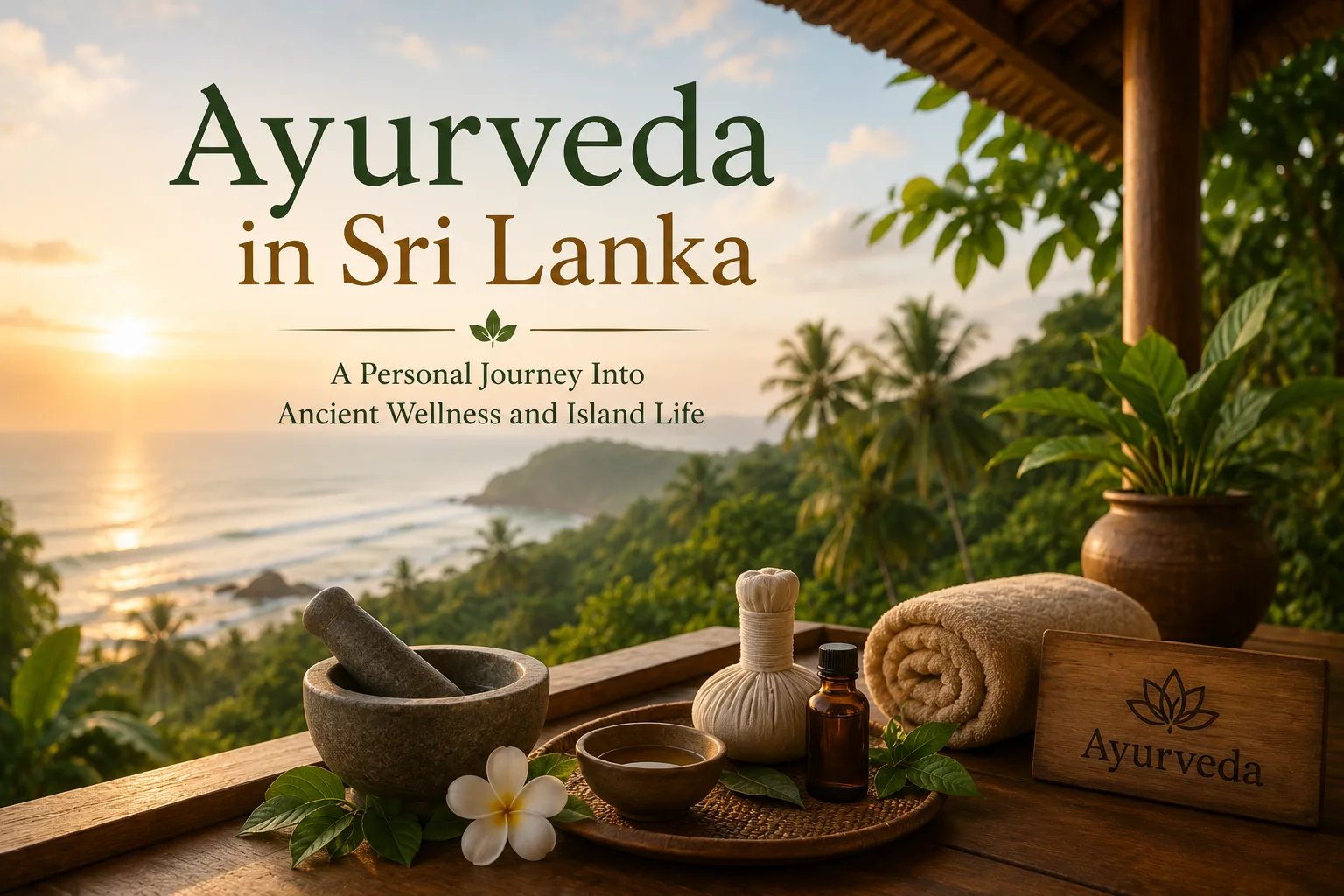
Ayurveda in Sri Lanka: A Personal Journey Into Ancient Wellness
There are places that make you want to slow down without asking you to.
Sri Lanka is one of them.
Maybe it is the sound of the ocean rolling onto a quiet beach. Maybe it is the smell of cinnamon and cardamom drifting from a local kitchen. Or perhaps it is simply the warm, unhurried feeling you get while sitting beneath a palm tree with nowhere you need to be.
Whatever the reason, Sri Lanka seems naturally suited to a wellness journey.
And this is where Ayurveda in Sri Lanka becomes particularly interesting.
For some travelers, Ayurveda begins with a massage. For others, it becomes several days of quiet mornings, herbal treatments, yoga, nourishing food, and much more sleep than they normally get at home.
But Ayurveda is not simply about visiting a spa.
It is a traditional wellness system with roots in South Asia, and in Sri Lanka it has become closely connected with food, herbs, daily routines, culture, and local traditions.
The experience can be surprisingly simple.
You wake up early.
You eat slowly.
You spend time outdoors.
You put your phone away.
You rest.
And somewhere between all those small moments, you realize that you haven't felt this relaxed in a long time.
What Is Ayurveda?
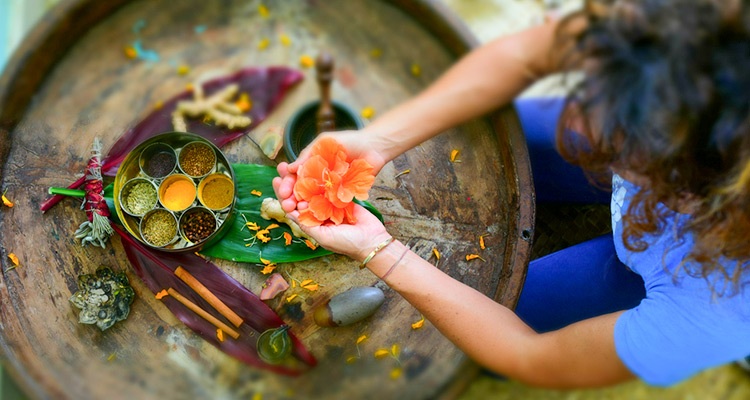
The word Ayurveda comes from Sanskrit and is commonly translated as "the knowledge of life."
It is a traditional system of wellness that developed in South Asia thousands of years ago.
Rather than focusing only on one particular problem, Ayurveda traditionally considers different aspects of life together, including food, sleep, daily routines, movement, relaxation, and the environment around you.
Traditional Ayurvedic practices can include:
Herbal preparations
Oil treatments
Massage
Yoga
Meditation
Breathing exercises
Dietary practices
Relaxation routines
The exact approach depends on the practitioner and the type of retreat you choose.
This is worth remembering because there is no single "Ayurvedic experience."
One retreat might feel like a peaceful luxury holiday.
Another might follow a much more structured traditional routine.
Both can be very different experiences.
Why Sri Lanka Is Perfect for an Ayurveda Journey
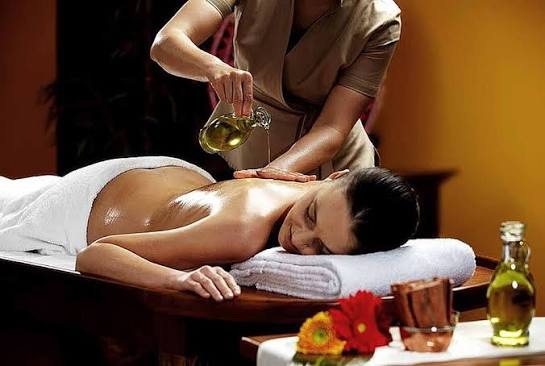
There is something about Sri Lanka that makes wellness feel natural.
The country has a long relationship with traditional herbal knowledge, spices, plants, food, and natural remedies.
Walk through a local market and you'll see turmeric, ginger, cinnamon, cardamom, cloves, black pepper, and countless other ingredients.
You can smell them before you even see them.
These flavors are not only part of Sri Lankan cooking. Many are also connected with traditional wellness practices.
Then there is the landscape.
Depending on where you stay, your Ayurvedic retreat could be surrounded by tropical gardens, located near the ocean, hidden among tea plantations, or tucked into the hills.
Instead of separating wellness from travel, Sri Lanka allows the two to become part of the same experience.
You can spend the morning receiving a traditional treatment and the afternoon watching the sunset over the Indian Ocean.
Or you can wake up surrounded by misty mountains and finish the day with a quiet meditation session.
It feels less like something you have scheduled into your vacation and more like a natural part of being in Sri Lanka.
The First Impression of an Ayurvedic Retreat
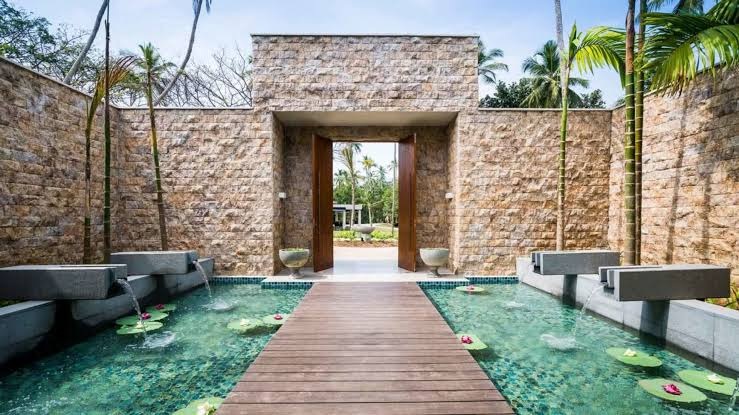
One of the first things you may notice at an Ayurvedic retreat is how quiet everything feels.
There are usually fewer distractions.
The surroundings may include gardens, trees, natural materials, open-air spaces, and quiet areas where guests can relax.
There is often no need to rush from one activity to another.
That can feel strange at first.
We're so used to filling our days.
When traveling, we often make a list:
See this temple.
Visit that beach.
Take a photograph here.
Find a restaurant.
Go shopping.
Wake up early tomorrow.
An Ayurvedic retreat asks you to do something completely different.
Nothing.
Or at least, not very much.
After a day or two, that can become surprisingly addictive.
Ayurvedic Treatments in Sri Lanka
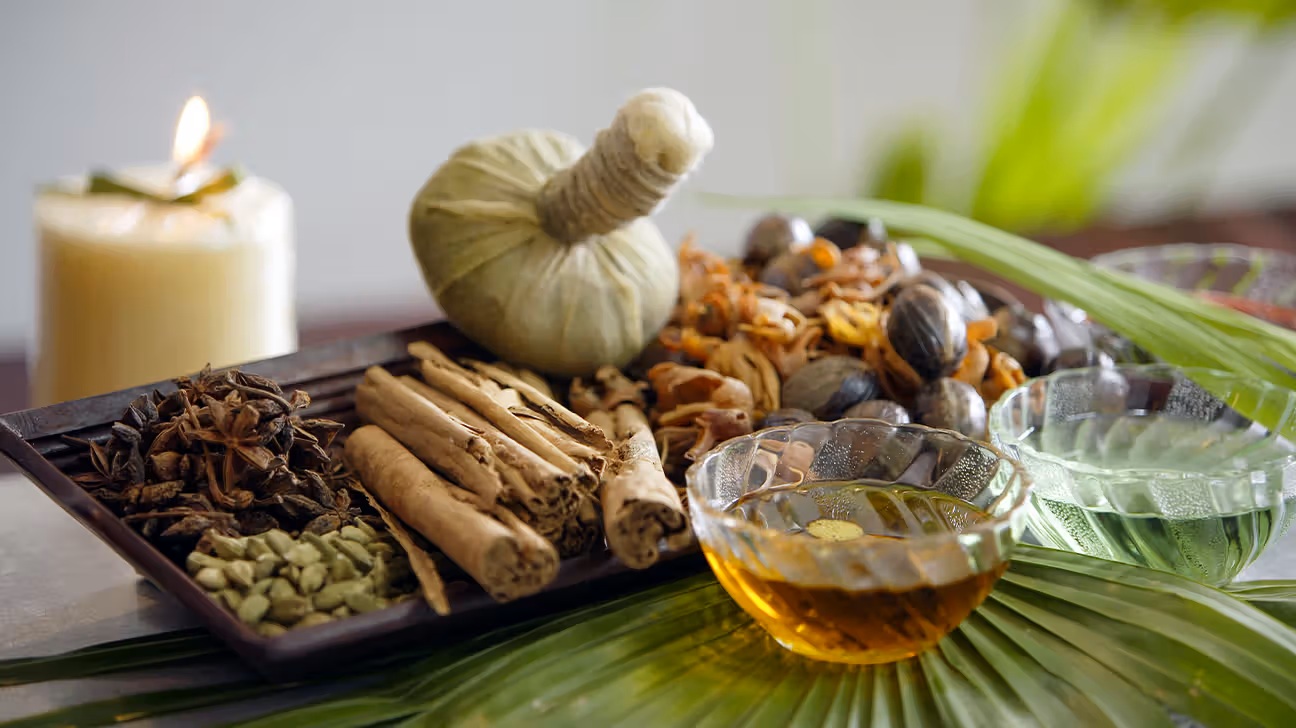
The treatments offered by Ayurvedic centers vary, so it is always a good idea to ask questions before booking.
Some treatments are designed mainly for relaxation, while others form part of a more traditional wellness program.
Among the experiences travelers often encounter are oil massage, herbal treatments, steam therapies, and shirodhara.
Ayurvedic Oil Massage
A warm oil massage is probably one of the experiences most visitors associate with Ayurveda.
Herbal oils are traditionally applied to the body while the practitioner uses specific massage techniques.
After a long flight or several days of sightseeing, it can feel wonderful simply to lie down and stop moving for an hour.
The warm oil, gentle movements, quiet room, and herbal aromas create an experience that feels very different from an ordinary massage.
If you have allergies or sensitive skin, tell your practitioner beforehand and ask exactly which oils or ingredients will be used.
Shirodhara: The Quietest Part of the Day
Shirodhara is one of the most distinctive Ayurvedic treatments.
Traditionally, a steady stream of warm oil or another appropriate liquid is gently poured over the forehead.
The sensation is unusual at first.
Then it becomes repetitive and calming.
You lie still.
The oil moves gently across your forehead.
There is nothing you need to accomplish.
No messages to answer.
No sightseeing schedule.
No notifications.
For many travelers, that simple stillness is part of the appeal.
Even if you approach Ayurveda as a cultural experience rather than a medical practice, shirodhara can give you something that is surprisingly difficult to find on a normal vacation: uninterrupted quiet.
Herbal and Steam Treatments
Some Ayurvedic centers also offer herbal steam treatments.
Traditional herbs may be incorporated into the steam experience, often following the recommendations of the practitioner.
The warmth can feel especially relaxing after an oil treatment.
As with any treatment, it is sensible to ask what will happen beforehand and tell the practitioner about any allergies, sensitivities, or other concerns.
The best wellness experience is one where you feel comfortable enough to relax completely.
Food Is Part of the Experience
One of my favorite things about experiencing Ayurveda in Sri Lanka is the food.
Sri Lankan cuisine is already incredibly flavorful.
Rice, coconut, vegetables, lentils, herbs, and spices come together in dishes that can be simple yet surprisingly rich in taste.
At an Ayurvedic retreat, meals may be prepared according to traditional principles and often emphasize fresh, locally available ingredients.
You might find:
Rice and vegetables
Lentil dishes
Mild curries
Fresh fruit
Coconut-based dishes
Herbal drinks
Traditional spices
The biggest change isn't necessarily what you're eating.
It is how you're eating.
Meals are often slower.
There is less temptation to rush through lunch while checking your phone.
You start noticing the smell of the curry.
The texture of the rice.
The freshness of the vegetables.
The warmth of the spices.
Food becomes part of the experience rather than simply fuel between activities.
Discovering Sri Lanka Through Its Spices
If you're interested in Ayurveda, visiting a Sri Lankan spice garden can be a wonderful addition to your trip.
Sri Lanka is famous for cinnamon, but that's only the beginning.
Ginger, turmeric, cloves, cardamom, black pepper, and other plants are deeply connected with the country's culinary traditions.
Walking through a spice garden gives you the chance to see these plants in their natural environment.
You may suddenly realize that the ingredients you see as dried powders in a kitchen originally came from living plants.
It's a small experience, but it makes Sri Lankan food and traditional wellness practices feel much more connected to the land.
Ayurveda and Yoga
Many Ayurvedic retreats include yoga.
The combination makes sense because both traditions encourage people to pay closer attention to the body and mind.
A morning might begin with gentle stretching and breathing exercises before breakfast.
You don't necessarily need to be flexible.
You don't need to know complicated yoga poses.
And you certainly don't need to look like an Instagram yoga influencer.
Sometimes the most enjoyable class is simply one where you stretch, breathe, and watch the morning slowly begin.
That is enough.
Meditation and the Art of Doing Nothing
Meditation is another common part of wellness retreats.
If you're new to it, don't worry.
Meditation doesn't have to mean sitting perfectly still for an hour with an empty mind.
Sometimes it can simply mean sitting quietly and paying attention to your breathing.
The mind will wander.
That's normal.
You notice it, breathe, and return your attention.
For travelers, this can be particularly useful.
Travel is exciting, but it can also be exhausting.
There are flights, plans, maps, messages, photographs, and decisions.
An Ayurvedic retreat creates a rare opportunity to step away from all of that.
You don't have to know what you're doing next.
You can simply enjoy where you are.
Where to Experience Ayurveda in Sri Lanka
Sri Lanka offers several beautiful settings for an Ayurvedic journey.
The Southern Coast
If you love beaches, the southern coast is an obvious choice.
Imagine spending your morning at an Ayurvedic retreat and your afternoon beside the ocean.
The sound of waves creates a natural background for relaxation.
The coastal atmosphere is especially appealing if you want to combine wellness with a traditional beach holiday.
Kandy and the Central Hills
The central highlands offer a completely different experience.
Here, the landscape becomes greener and cooler.
Tea plantations cover hillsides, forests surround roads, and mist can settle over the mountains.
Kandy and the surrounding region can be a good choice if you prefer a peaceful inland setting.
Instead of waking up to waves, you may wake up to birdsong and mountain air.
The Cultural Triangle
If you don't want your entire trip to revolve around wellness, consider combining Ayurveda with a journey through Sri Lanka's Cultural Triangle.
You can visit ancient cities, temples, and historic sites during the day and return to a quiet retreat afterward.
This creates a nice balance between exploration and rest.
How to Choose the Right Ayurvedic Retreat
Not every Ayurvedic retreat is the same.
This is one of the most important things to understand before booking.
Some properties are essentially luxury resorts with Ayurvedic treatments.
Others follow traditional routines much more closely.
Some focus on relaxation.
Others offer structured programs lasting one or two weeks.
Think about what you actually want.
If your goal is simply to relax after traveling, you may prefer a comfortable resort with a few Ayurvedic treatments.
If you want to explore traditional Ayurvedic practices more deeply, look for a retreat with qualified practitioners and a structured program.
Read the description carefully.
Check what is included.
Ask about meals and treatments.
And don't be afraid to contact the retreat before booking.
What Happens During an Ayurvedic Consultation?
A more traditional Ayurvedic experience may begin with a consultation.
The practitioner may ask about your sleep, diet, daily routine, activity levels, stress, and general wellbeing.
They may also discuss traditional Ayurvedic concepts such as Vata, Pitta, and Kapha, commonly known as the three doshas.
The practitioner may use this traditional framework when suggesting treatments, foods, or routines.
It is useful to understand Ayurveda on its own terms rather than expecting it to work exactly like modern medicine.
If you have a health condition, take medication, or are considering changing medical treatment, speak with an appropriately qualified healthcare professional first.
An Ayurvedic retreat should complement responsible healthcare, not replace it.
A Typical Day at an Ayurvedic Retreat
Every retreat has its own schedule, but a day might look something like this:
6:30 AM — Wake up
The day begins quietly.
7:00 AM — Yoga or meditation
A gentle session helps you become more aware of your breathing and body.
8:00 AM — Breakfast
Fresh fruit, rice, vegetables, herbal drinks, or other local dishes.
10:00 AM — Ayurvedic treatment
Perhaps a massage or another traditional treatment.
12:30 PM — Lunch
Freshly prepared food using local ingredients.
2:00 PM — Rest
Read a book.
Take a nap.
Walk through the garden.
Or simply do nothing.
4:00 PM — Herbal tea
A quiet afternoon break.
6:30 PM — Dinner
Another simple, nourishing meal.
9:00 PM — Early evening
The day winds down.
At first, the schedule might look almost too simple.
Then you realize that simplicity is the entire point.
Ayurveda Is About Changing Your Rhythm
A normal spa treatment lasts an hour.
An Ayurvedic retreat can change the rhythm of your entire day.
You wake earlier.
You eat at regular times.
You spend more time outside.
You reduce screen time.
You rest.
You sleep earlier.
None of these things is particularly revolutionary.
But when you experience them together, you may notice how different they feel from everyday life.
Most of us spend a lot of time rushing.
We rush to work.
We rush through breakfast.
We answer messages while eating.
We check our phones before sleeping.
Then we wonder why we feel tired.
An Ayurvedic retreat gives you an opportunity to break that pattern, even if only temporarily.
Ayurveda as Part of Sri Lankan Culture
What makes Ayurveda in Sri Lanka particularly interesting is that it doesn't exist completely separately from everyday culture.
Traditional ingredients appear in local food.
Herbs and spices are part of household life.
Knowledge about plants has been passed down through generations.
Traditional systems of medicine have a long history on the island.
For travelers, this creates a more meaningful experience.
Instead of thinking of Ayurveda as something invented for tourists, you begin to see how it fits into the wider cultural landscape.
That connection is worth paying attention to.
You Don't Need a Two-Week Retreat
A common misconception is that you need to spend a long time at an Ayurvedic retreat for the experience to be worthwhile.
Not necessarily.
Even two or three days can be meaningful.
You can have a treatment.
Try traditional food.
Join a yoga class.
Spend some time meditating.
Sleep properly.
And simply slow down.
The important thing isn't the number of days.
It's the mindset you bring with you.
If you're constantly checking your phone and worrying about your next sightseeing stop, even the most beautiful retreat won't feel peaceful.
Sometimes you need to give yourself permission to stop.
Responsible Ayurveda and Wellness Travel
As wellness tourism becomes increasingly popular, choosing a responsible provider matters.
Look for established centers with qualified practitioners.
Ask about treatments before participating.
Find out what oils, herbs, or other ingredients will be used.
Be cautious of anyone promising miraculous cures or guaranteed medical results.
Traditional wellness practices can be meaningful and culturally important, but they should not replace appropriate medical care.
A good retreat should make you feel informed and comfortable rather than pressured.
When Is the Best Time to Experience Ayurveda in Sri Lanka?
Sri Lanka's climate varies from region to region, so the ideal time depends on where you're going.
The southern and western coasts have different weather patterns from the eastern coast.
The central hills are cooler than the lowlands.
This means there isn't one perfect month for every Ayurvedic destination.
The good news is that wellness travel doesn't require perfect sunshine.
In fact, a rainy afternoon can make a retreat feel even more peaceful.
Imagine sitting beneath a covered veranda with a cup of warm herbal tea while tropical rain falls around you.
Sometimes bad beach weather is exactly what a wellness traveler needs.
A Few Simple Tips for Your Ayurveda Journey
To make the experience more enjoyable:
Arrive with an open mind.
You don't have to believe everything about Ayurveda to appreciate its cultural and wellness traditions.
Don't over-plan.
Leave empty space in your schedule.
Ask questions.
Good practitioners should be happy to explain treatments.
Listen to your body.
If something feels uncomfortable, speak up.
Disconnect from your phone.
Even a few hours without notifications can change the atmosphere of your day.
Try local food.
Sri Lankan cuisine is one of the highlights of the journey.
Respect the tradition.
Remember that Ayurveda is part of a cultural heritage, not simply a tourist attraction.
Final Thoughts: The Beauty of Slowing Down
An Ayurveda experience in Sri Lanka can be many things.
It can be a massage after a long flight.
It can be a week of yoga and meditation.
It can be a quiet morning drinking herbal tea in a tropical garden.
It can be discovering the spices in a local market.
Or it can simply be the first time in months that you have allowed yourself to do absolutely nothing.
And perhaps that last one is the most important.
We often travel because we want to see more.
More cities.
More temples.
More beaches.
More photographs.
But sometimes a meaningful journey comes from doing less.
Sri Lanka makes that surprisingly easy.
The sound of the ocean encourages you to slow down.
The mountains invite you to breathe.
The food makes you sit and enjoy your meal.
The quiet gardens give you somewhere to think.
And Ayurveda provides a traditional framework for bringing all those moments together.
You may arrive expecting a special treatment to make you feel different.
Instead, you might discover that the real change comes from a collection of very ordinary things: sleeping enough, eating slowly, breathing deeply, walking outside, and taking a break from constant stimulation.
That's what makes Ayurveda in Sri Lanka so memorable.
It isn't necessarily about finding a miracle.
It's about remembering something much simpler.
You don't always need to go faster. Sometimes, the best part of travel is learning how to slow down.
And somewhere between the tropical gardens, fragrant spices, gentle treatments, warm evenings, and quiet mornings of Sri Lanka, you may find yourself enjoying that slower rhythm more than you expected.