Himalayan Culture: The People, Traditions, and Spiritual Heart of the Mountains - Poparao
Tourism 13 min read Himalayan Culture: The People, Traditions, and Spiritual Heart of the Mountains Himalayan Culture: More Than Just MountainsWhen most people hear the word Himalayas, they probably imagine snow-covered ...
Himalayan Culture: The People, Traditions, and Spiritual Heart of the Mountains
Himalayan Culture: More Than Just MountainsWhen most people hear the word Himalayas, they probably imagine snow-covered peaks, winding mountain trails, quiet villages, colorful prayer flags, and perhaps a lone monastery ...
August 21, 2026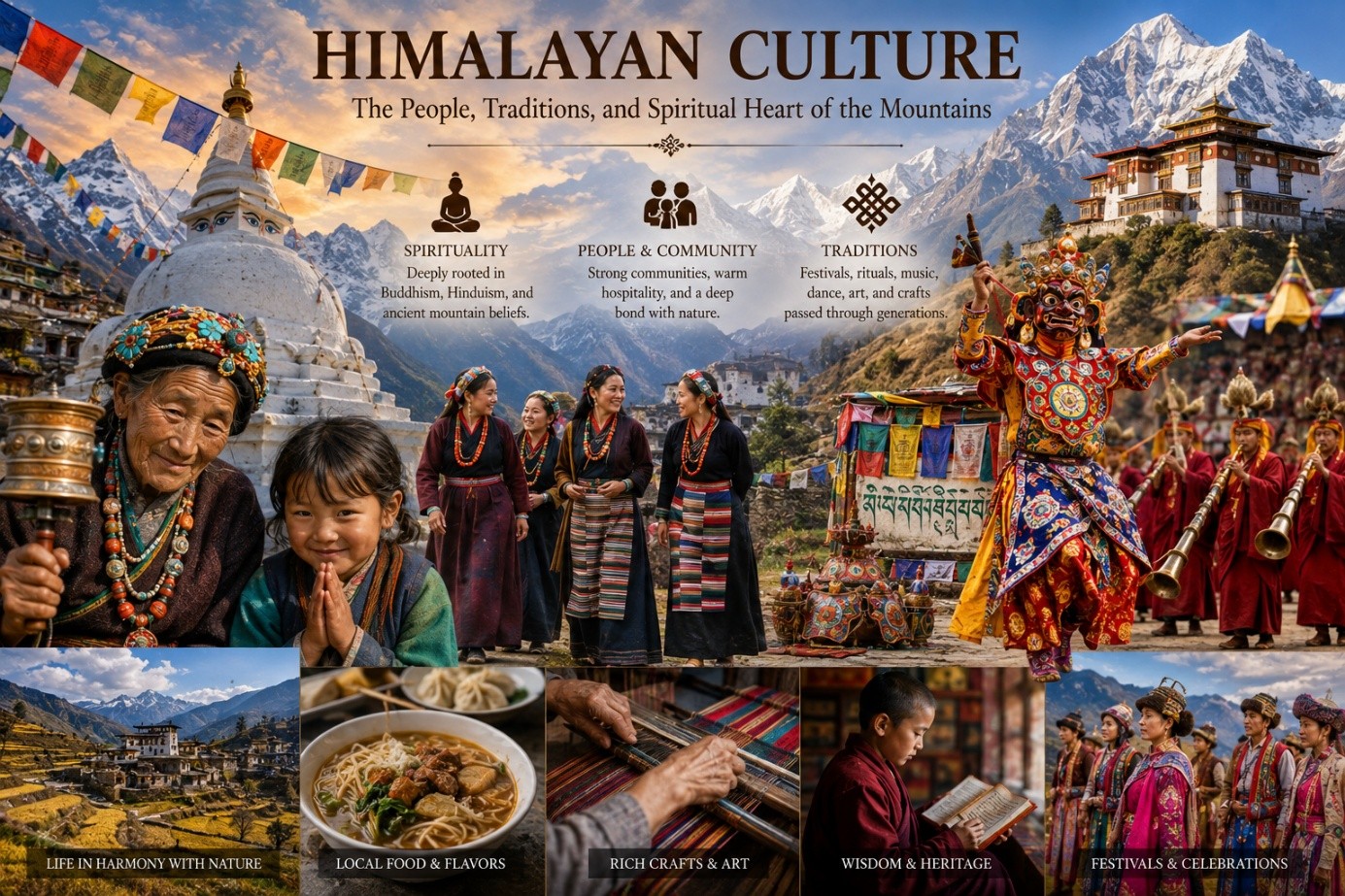
Himalayan Culture: The People, Traditions, and Spiritual Heart of the Mountains
Himalayan Culture: More Than Just Mountains
When most people hear the word Himalayas, they probably imagine snow-covered peaks, winding mountain trails, quiet villages, colorful prayer flags, and perhaps a lone monastery sitting high above a valley.
It is an incredible picture, but it only tells part of the story.
The Himalayas are not simply a destination for trekkers and adventure travelers. They are home to millions of people, and their cultures have developed over centuries in response to the mountains, the climate, religion, and the communities themselves.
This is what makes Himalayan culture so fascinating.
There isn't one single culture that represents the entire Himalayan region. Instead, there are many different cultures, each with its own language, traditions, beliefs, food, clothing, music, and festivals.
A Buddhist community in Bhutan may have very different customs from a Hindu community in northern India. A Sherpa village in Nepal has its own identity, while Tibetan communities have traditions shaped by centuries of Buddhist history.
Yet there is something that connects many of these communities: a strong relationship with the natural world.
In the Himalayas, mountains are not simply scenery. They can be sacred places, sources of water, homes for wildlife, and an essential part of everyday life.
To understand the Himalayas, you have to look beyond the famous peaks and discover the people who have built their lives among them.
What Is Himalayan Culture?
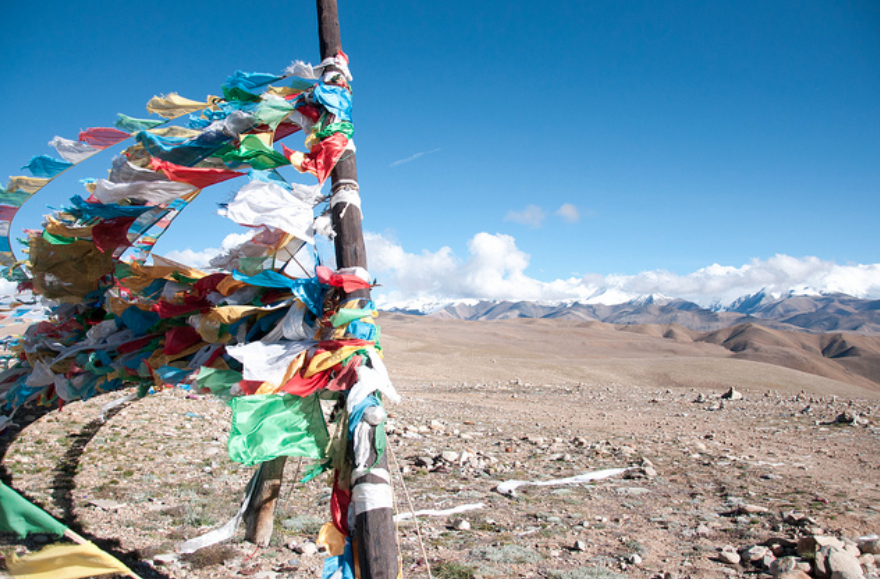
Himalayan culture refers to the many traditions and ways of life found throughout the Himalayan mountain region.
The Himalayas stretch across Nepal, Bhutan, northern India, Tibet, and parts of Pakistan. Because the region is so large and geographically diverse, its cultures are incredibly varied.
Religion has played a major role in shaping these communities. Buddhism and Hinduism are particularly influential, while indigenous beliefs and local spiritual traditions remain important in many areas.
Language and ethnicity also contribute to the region's diversity.
Even two villages relatively close to each other can have different customs, clothing, food, or religious practices.
This diversity is one of the most beautiful things about the Himalayas.
Rather than thinking of Himalayan culture as one tradition, it is better to see it as a collection of cultures that have grown and changed alongside one another.
Spirituality in Everyday Life
One of the first things many travelers notice in the Himalayas is how visible spirituality can be.
You may see prayer flags hanging beside a mountain trail, a small shrine beside a road, a stupa in the center of a village, or a prayer wheel outside a monastery.
Religion is often not separated from ordinary life.
People may stop at a shrine during their daily routines, visit a monastery during a festival, or say a prayer before beginning a long journey through the mountains.
For many Himalayan communities, spirituality is not reserved for special occasions.
It is part of everyday life.
That connection gives many villages and towns a peaceful quality that visitors remember long after they leave.
Buddhism and Himalayan Traditions
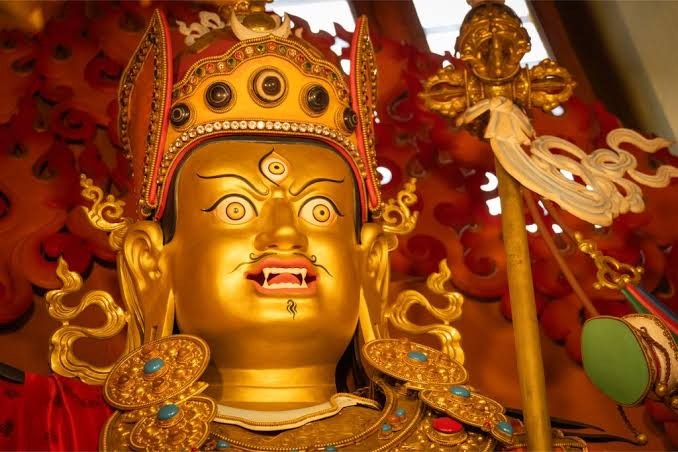
Buddhism has had a profound influence on Himalayan culture, particularly in Bhutan, Tibet, Nepal, and northern India.
Tibetan Buddhism has shaped architecture, art, music, festivals, and religious practices throughout the region.
One of the most recognizable symbols is the prayer flag.
These colorful flags are often placed on mountain passes, bridges, rooftops, monasteries, and other sacred places. Traditionally printed with prayers and sacred images, they are associated with peace, compassion, and spiritual well-being.
For travelers, prayer flags are one of the most memorable sights in the mountains.
But they are more than decoration.
Their presence reflects the spiritual relationship many communities have with the landscape around them.
Himalayan Monasteries
Monasteries are another important part of Himalayan culture.
They are places of worship, but their role can be much broader. Historically, monasteries have also been centers of education, philosophy, art, music, and community life.
Inside, visitors may find beautiful murals, statues, manuscripts, prayer halls, and intricate religious artwork.
Some monasteries are located in spectacular places, high above valleys or against dramatic mountain slopes.
Walking into one can be a completely different experience from exploring a busy tourist attraction.
The atmosphere is usually quieter. The pace slows down. There may be the soft sound of chanting or the smell of incense in the air.
Even travelers who are not religious can appreciate the sense of peace these places offer.
Hindu Traditions in the Himalayas
Hinduism is another major influence on Himalayan culture.
The Indian Himalayas contain many temples and pilgrimage sites that have been important for generations.
Mountains, rivers, caves, and forests can hold sacred meaning in Hindu traditions. The Himalayas are also strongly associated with Shiva, one of the most important deities in Hinduism.
Pilgrims have traveled through these mountains for centuries to visit sacred places and take part in religious ceremonies.
What makes the region particularly interesting is the coexistence of different spiritual traditions.
Buddhist monasteries, Hindu temples, and indigenous sacred sites can all be found throughout the broader Himalayan landscape.
Each tradition sees the mountains in its own way, but all contribute to the cultural richness of the region.
A Deep Respect for Nature
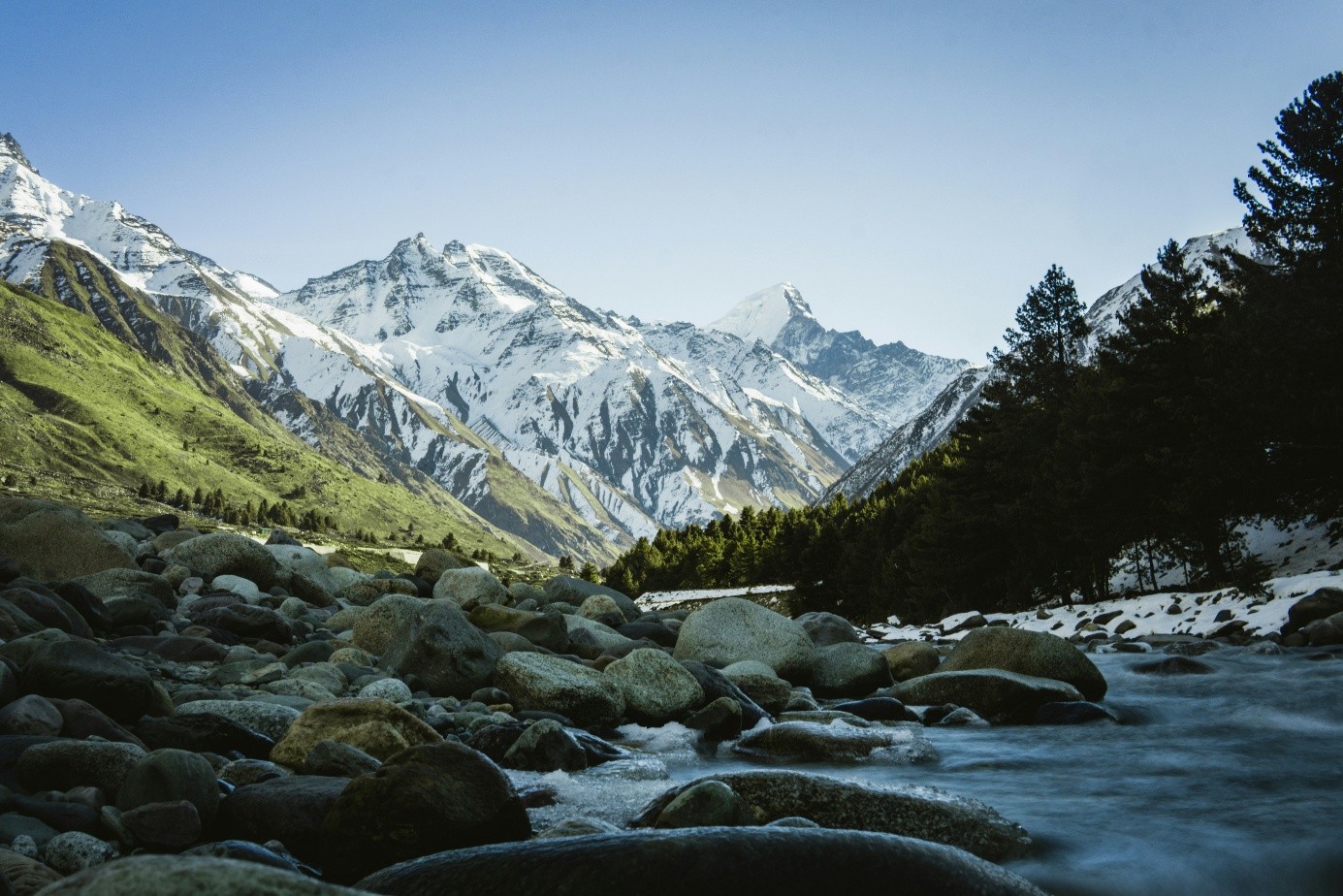
Perhaps one of the strongest themes in Himalayan culture is the relationship between people and nature.
Life in the mountains requires people to pay attention to the environment.
Weather can change quickly. Winters can be harsh. Farming can be difficult, and water is incredibly important.
Over generations, communities developed detailed knowledge about agriculture, animals, forests, rivers, and mountain weather.
At the same time, nature became part of local spiritual traditions.
Certain mountains, lakes, forests, and rivers may be regarded as sacred or treated with particular respect.
This way of seeing nature is especially meaningful today as the Himalayas face environmental challenges.
Climate change, melting glaciers, changing weather patterns, and increasing tourism are affecting communities throughout the region.
Protecting the environment is therefore closely connected with protecting the cultures that depend on it.
Traditional Himalayan Villages
Traditional Himalayan villages often seem to grow naturally out of the landscape.
Stone houses line narrow paths. Wooden balconies overlook steep valleys. Small fields are carved into hillsides wherever farming is possible.
Architecture varies considerably from one community to another, but traditional buildings are usually designed with the local environment in mind.
Stone, timber, mud brick, and other locally available materials have been used for generations.
These materials are practical, but they also give Himalayan villages their distinctive character.
Bhutanese Architecture
Bhutan is particularly famous for its traditional architecture.
Its dzongs, monasteries, and houses often feature white walls, decorative wooden windows, colorful details, and distinctive roofs.
These buildings are not simply beautiful.
They reflect Bhutan's religious traditions, history, and national identity.
Mountain Architecture in Nepal
Traditional villages in Nepal also vary depending on geography and ethnic community.
In many mountain areas, stone is widely used for homes, walls, and pathways. Wood often appears around doors, windows, balconies, and interiors.
The result is architecture that feels closely connected to the surrounding mountains.
Himalayan Festivals
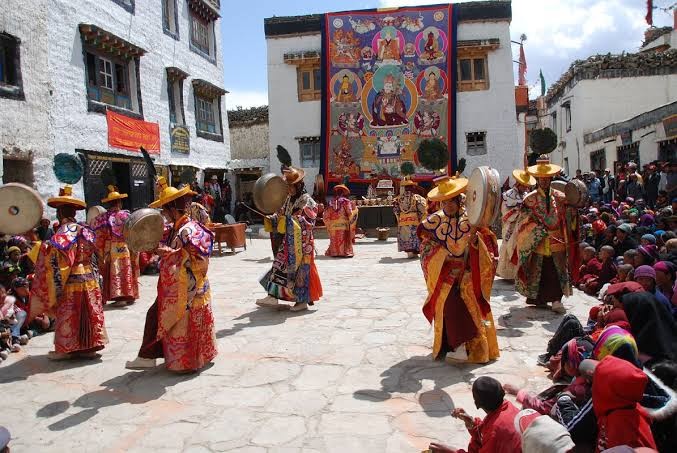
If you want to experience Himalayan culture at its most lively, festivals are an excellent place to start.
Festivals bring families and communities together through music, dancing, food, prayer, and traditional ceremonies.
Buddhist celebrations may feature masked dances, chanting, processions, and religious performances.
Bhutan's tshechu festivals are particularly well known for their colorful masked dances and large community gatherings.
Nepal has an extraordinary variety of Hindu and Buddhist festivals, including Dashain and Tihar, along with celebrations associated with individual ethnic communities.
For local people, these events are about much more than entertainment.
Families come together. Traditional foods are prepared. People wear special clothing. Children learn customs from older generations.
A festival can therefore become a living classroom where culture is passed naturally from parents and grandparents to children.
Traditional Himalayan Clothing
Clothing in the Himalayas has always had a practical purpose.
The mountain climate can be extremely cold, so warm materials such as wool have traditionally been important.
But clothing is also an expression of identity.
Different communities have their own colors, patterns, garments, jewelry, and accessories.
Traditional clothing is particularly visible during festivals, weddings, religious ceremonies, and other important occasions.
Bhutan has preserved traditional dress as an especially visible part of national culture, while Nepal and Tibetan communities have an enormous variety of styles.
For travelers, seeing traditional clothing during a local celebration can offer a glimpse into the cultural identity of a community that goes far beyond what appears in a tourist guidebook.
Himalayan Food: Warm, Simple, and Comforting
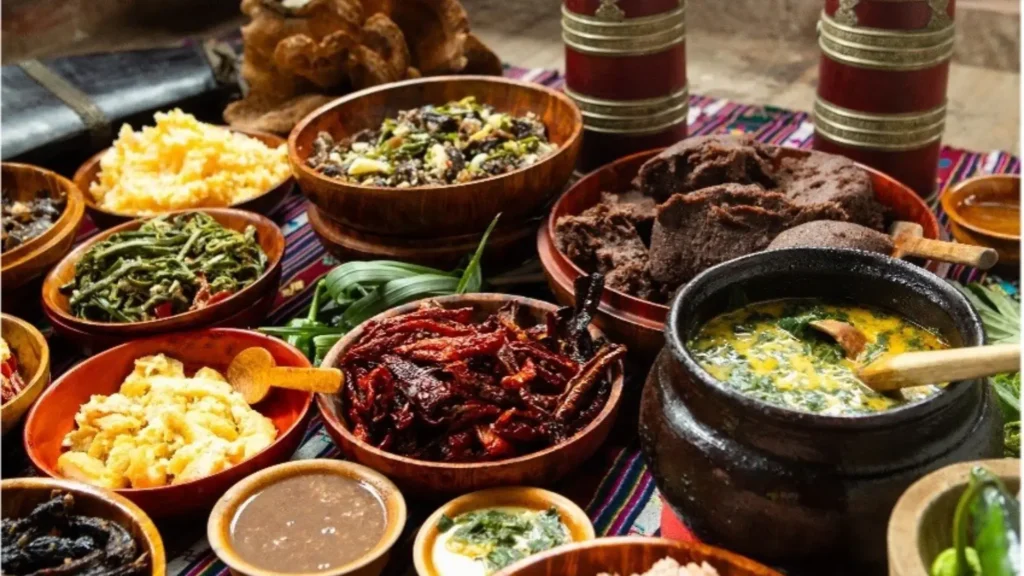
Food is one of the easiest ways to connect with a new culture, and Himalayan cuisine tells a fascinating story.
Traditional food has been shaped by altitude, climate, agriculture, and the ingredients available locally.
Rice, wheat, barley, potatoes, vegetables, dairy products, and legumes are common across different areas.
Then there are dishes that have become favorites with travelers.
Momos, or steamed dumplings, are probably the best-known Himalayan food. They can be filled with vegetables or meat and are usually served with a spicy or flavorful sauce.
After several hours of trekking in cold mountain air, a plate of hot momos can feel like the perfect meal.
Thukpa, a warm noodle soup, is another popular dish, particularly in Tibetan-influenced communities.
In Bhutan, chilies and cheese feature prominently in many traditional dishes.
The recipes differ from place to place, but Himalayan food often has a comforting quality that makes it especially memorable.
Tea and Himalayan Hospitality
Tea has an important place in many Himalayan communities.
Depending on where you travel, you may be offered milk tea, butter tea, or another local preparation.
Hospitality can be surprisingly warm, particularly in remote communities.
A traveler might be invited to sit down for tea or share a simple meal with a local family.
These moments may seem small, but they can become some of the most meaningful memories of a journey.
A famous mountain viewpoint may leave you impressed.
But sitting beside a warm stove, drinking tea, and talking with a local family can make you feel connected to the place in a much more personal way.
Family and Community
Community has traditionally been essential to life in the Himalayas.
In remote areas, people have depended on one another for farming, construction, animal care, festivals, and support during difficult weather.
Families also play an important role in preserving cultural knowledge.
Grandparents may teach children traditional stories, songs, recipes, religious practices, and local history.
Not all of this knowledge is written down.
Much of it is simply passed from one generation to the next through everyday life.
That process is one of the reasons so many Himalayan traditions have survived for centuries.
Himalayan Art and Handicrafts
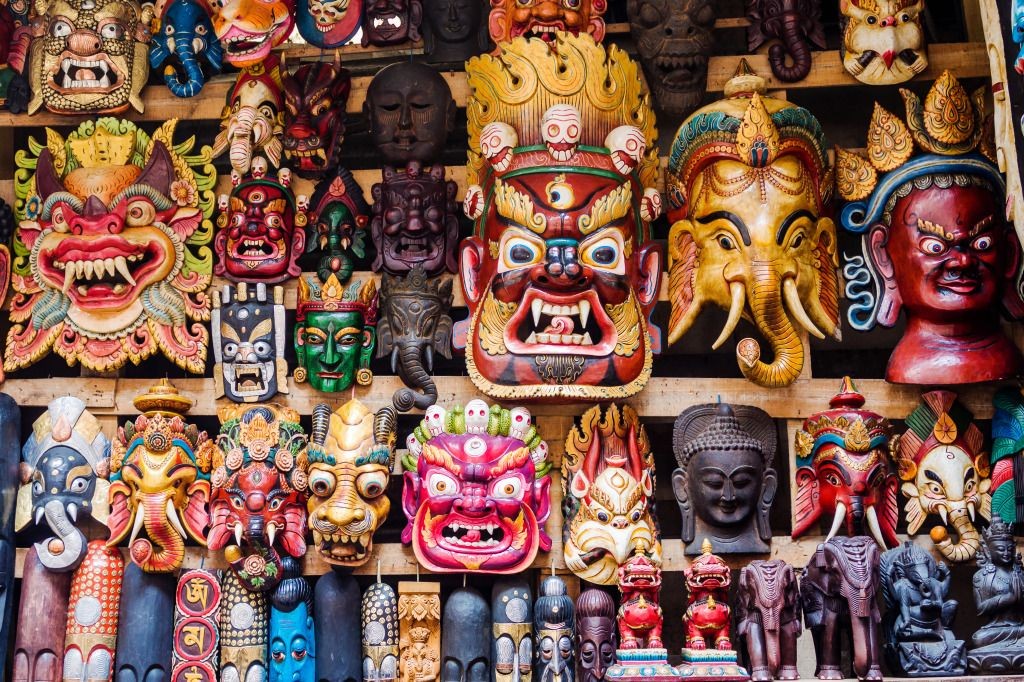
The mountains are home to a rich tradition of craftsmanship.
Local artisans create carpets, textiles, jewelry, pottery, wood carvings, metalwork, masks, and religious artwork.
Thangka painting is one of the most recognizable art forms associated with Tibetan Buddhist culture.
These detailed paintings often portray Buddhist figures, mandalas, and religious stories. Creating them requires considerable patience, concentration, and skill.
Textile traditions are equally important.
Wool and other natural fibers are used to make blankets, carpets, clothing, bags, and decorative objects.
For travelers, buying a genuine handmade item directly from a local artisan can be a meaningful way to support traditional skills and the people who keep them alive.
The Sherpa Community
The Sherpa people are among the best-known communities of the Nepal Himalayas, particularly because of their long association with the Everest region and mountaineering.
However, Sherpa culture is about much more than climbing.
Sherpa communities have their own language, food, festivals, architecture, religious traditions, and social customs.
Many Sherpas practice Tibetan Buddhism, and monasteries are important parts of community life.
Tourism has brought significant economic opportunities to the Everest region, but it has also changed traditional lifestyles.
For visitors, taking time to learn about Sherpa communities can make a Himalayan journey much more meaningful.
A village visit or conversation with a local guide can reveal a side of the Everest region that you simply cannot see from a trekking trail.
Bhutan: Tradition in a Modern World
Bhutan offers another fascinating example of Himalayan culture.
Traditional architecture, Buddhist practices, clothing, and festivals remain highly visible throughout the country.
Dzongs and monasteries are important cultural landmarks, while traditional festivals bring communities together through dance, music, and religious ceremonies.
Yet Bhutan is not a country frozen in the past.
Young people use smartphones, study in cities, travel abroad, and engage with global culture.
The interesting part is seeing how traditional identity continues alongside modern life.
It is a reminder that preserving culture does not necessarily mean refusing to change.
Sometimes, traditions survive precisely because people find new ways to make them relevant.
How Himalayan Culture Is Changing
The Himalayas are changing rapidly.
Tourism, roads, education, technology, migration, and social media are transforming many communities.
Some young people leave mountain villages to study or find work in cities. Some traditional occupations are becoming less common.
At the same time, tourism has created new opportunities.
Local people can work as guides, hotel owners, cooks, drivers, artisans, and trekking operators.
The challenge is finding a healthy balance.
Tourism can support cultural preservation when local communities benefit from it and have control over how their traditions are presented.
But culture can lose its meaning when it is turned into a performance designed only to entertain visitors.
The future of Himalayan culture will depend on allowing communities to adapt while protecting the traditions that still matter to them.
Why Himalayan Culture Matters
The Himalayas are famous for their mountains, but their people are an equally important part of the story.
Himalayan culture teaches us about resilience, spirituality, community, and adaptation.
It exists in magnificent monasteries and ancient temples, but it also exists in everyday moments.
A farmer working on a hillside.
A monk quietly turning a prayer wheel.
A mother preparing a family meal.
A child learning an old song.
A craftsman weaving wool.
A shopkeeper offering tea to a tired traveler.
These simple moments are the real texture of Himalayan life.
Experiencing Himalayan Culture as a Traveler
If you travel through the Himalayas, try not to make the journey only about famous viewpoints.
Take time to meet local people.
Visit a market. Try regional food. Stay at a locally owned guesthouse. Learn about local customs. Visit religious sites respectfully. Buy handmade crafts directly from artisans when possible.
And, most importantly, slow down.
You don't need to understand everything in a single visit.
Sometimes the best cultural experience is an unplanned conversation over tea or a quiet evening watching village life unfold.
The Himalayas reward patience.
Final Thoughts
Himalayan culture is not something that belongs only to the past. It is alive in the present.
It can be heard in Buddhist chants and festival drums. It can be seen in prayer flags, traditional clothing, mountain architecture, and handmade crafts. It can be tasted in momos, thukpa, butter tea, and family recipes passed down through generations.
Most importantly, it can be felt in the relationship between people and the mountains around them.
There is no single definition of Himalayan culture.
The region is home to countless communities, languages, religions, and traditions, each with its own character and history.
That diversity is what makes the Himalayas so remarkable.
The mountains may appear timeless, but the lives of the people who live among them continue to change. Young generations are discovering new ways to express their heritage. Traditional artists are adapting their crafts. Festivals are evolving. Technology is connecting remote villages with the rest of the world.
And yet, many simple things remain.
A prayer flag still moves in the mountain wind.
A family still gathers around a warm meal.
A festival still brings neighbors together.
Someone still pours tea for a guest.
A mountain still stands quietly above the village.
That is the real beauty of Himalayan culture.
It is not simply a collection of ancient traditions preserved in history books. It is something people continue to practice, share, adapt, and pass forward every day.
The Himalayas may be known as the roof of the world, but their true character can be found in the people, stories, traditions, and everyday moments that give these mountains a human heart.