Khmer Festival Culture: The Heart, Traditions, and Everyday Joy of Cambodia - Poparao
Tourism 11 min read Khmer Festival Culture: The Heart, Traditions, and Everyday Joy of Cambodia Khmer Festival Culture: More Than Just a CelebrationIf you really want to understand Cambodia, don't only visit its temples....
Khmer Festival Culture: The Heart, Traditions, and Everyday Joy of Cambodia
Khmer Festival Culture: More Than Just a CelebrationIf you really want to understand Cambodia, don't only visit its temples.Of course, places such as Angkor Wat are extraordinary. They tell stories about Cambodia's past ...
August 21, 2026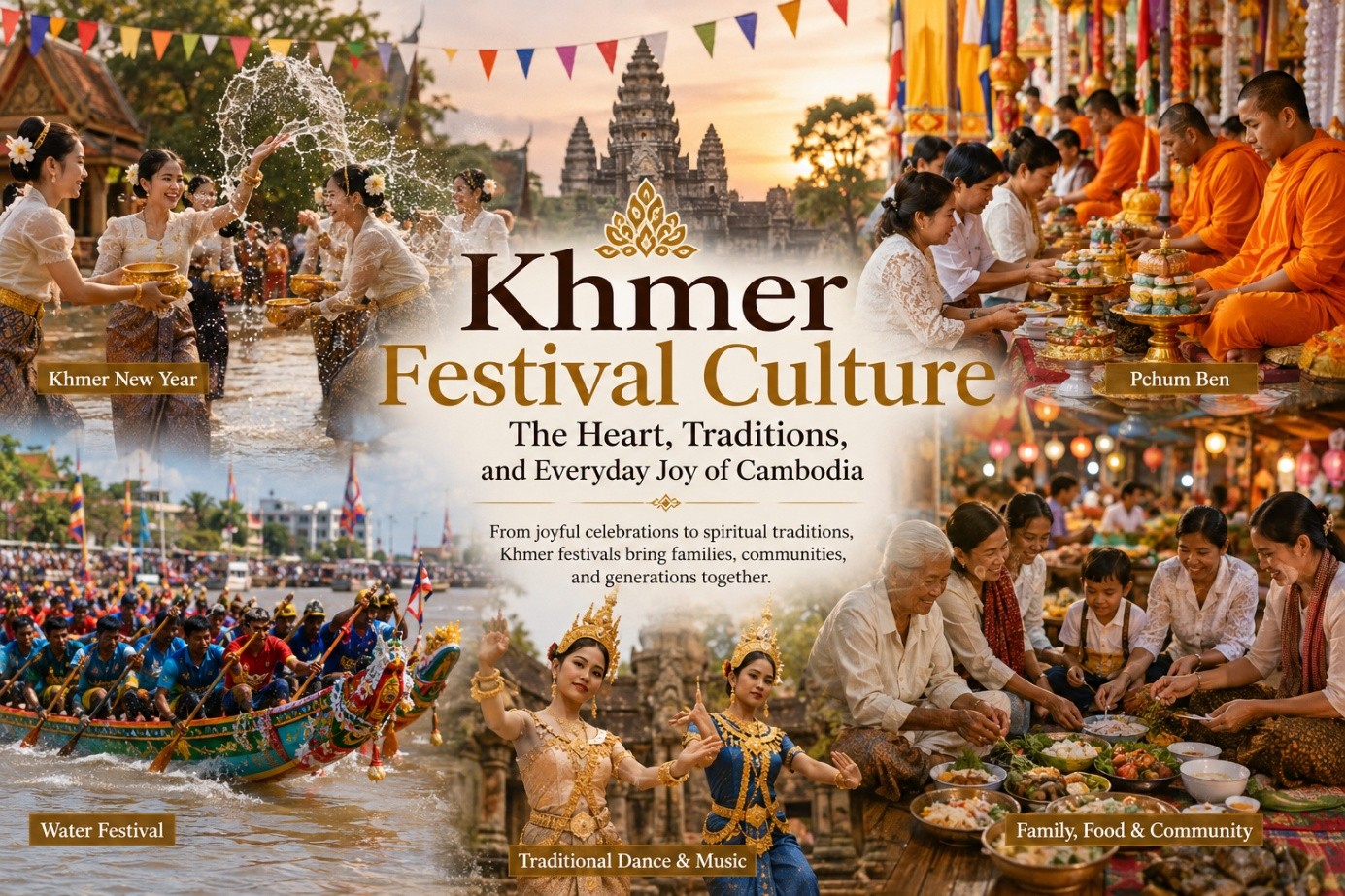
Khmer Festival Culture: The Heart, Traditions, and Everyday Joy of Cambodia
Khmer Festival Culture: More Than Just a Celebration
If you really want to understand Cambodia, don't only visit its temples.
Of course, places such as Angkor Wat are extraordinary. They tell stories about Cambodia's past through stone, architecture, and ancient art. But there is another side of Cambodian culture that you can experience in a much more personal way: its festivals.
During a Khmer festival, everyday life seems to change.
Families travel home to see relatives. Temples become busier. Streets fill with music and laughter. Traditional food is prepared in large quantities, children play games, and people dress in their finest clothes. In some celebrations, the atmosphere is loud and energetic. In others, it is quiet and reflective.
Together, these moments form an important part of Khmer festival culture.
For generations, festivals have helped Khmer people maintain connections with their families, communities, religion, ancestors, and traditions. Many celebrations are influenced by Theravada Buddhism, while others reflect Cambodia's agricultural history and older cultural beliefs.
What makes these festivals special is that they are not simply cultural shows.
They are real moments in people's lives.
A festival can mean going back to your hometown after months away. It can mean sitting beside your grandparents at a temple. It can mean preparing a favorite family dish or remembering relatives who are no longer there.
That human side is what makes Khmer festivals so meaningful.
What Is Khmer Festival Culture?
Khmer festival culture includes the celebrations, religious practices, family customs, traditional performances, food, music, and community activities associated with Khmer life.
These traditions are closely connected with several important values:
Family and community
Respect for elders
Buddhism and spiritual life
Respect for ancestors
Agriculture and nature
Traditional food
Music and dance
Cambodian history and identity
Some festivals follow religious calendars, while others are connected to seasons, rivers, farming, or important moments in the traditional year.
Although every festival has its own character, many share one simple purpose: bringing people together.
That may sound ordinary, but it is actually one of the most important things a festival can do.
Khmer New Year: A Time to Go Home
One of the most important celebrations in Cambodia is Khmer New Year, known locally as Chaul Chnam Thmey.
Usually celebrated in April, the festival marks the traditional beginning of a new year. For many Cambodians, it is also one of the most anticipated times of the year.
Why?
Because it is a time to go home.
People living and working in cities may travel back to their hometowns. Families who do not see each other regularly finally have a chance to sit around the same table.
Homes are cleaned and prepared. Traditional food is cooked. People visit pagodas, make offerings, pray, and take part in games and social activities.
There is a wonderful mixture of the old and the young during Khmer New Year.
Grandparents may sit and talk while children run around playing games. Parents prepare food while younger family members help with the celebrations. Traditional customs are practiced alongside modern music, phones, and contemporary clothing.
That combination makes the festival feel alive rather than old-fashioned.
The Spiritual Side of Khmer New Year
Khmer New Year is not only about having fun.
Many people visit temples to make offerings, pray, and participate in Buddhist activities. Some traditions involve asking elders for blessings and showing gratitude to parents and grandparents.
These customs give the celebration a deeper meaning.
The beginning of a new year becomes an opportunity to leave behind old worries, appreciate family, and hope for a better year ahead.
Pchum Ben: Remembering Those Who Came Before
If Khmer New Year is full of excitement, Pchum Ben has a more thoughtful and emotional atmosphere.
Often described as Cambodia's Festival of the Dead or Ancestors' Day, Pchum Ben is an important period for remembering deceased family members.
During the festival period, families visit pagodas and bring food offerings. They pray, participate in ceremonies, and spend time remembering relatives who have passed away.
For many people, this is also a time to return to their hometown.
The tradition reflects an important idea in Khmer culture: family relationships continue to matter even after someone has died.
Food, prayers, memories, and stories become ways of keeping those connections alive.
You can imagine a grandmother telling her grandchildren about relatives they never met, or a family preparing food together before going to the pagoda.
These simple moments are part of the festival too.
Pchum Ben shows that Khmer festival culture is not always about celebration in the usual sense. Sometimes, it is about remembering, appreciating, and making peace with the past.
Bon Om Touk: Cambodia's Water Festival
Another major Cambodian celebration is Bon Om Touk, commonly known as the Water Festival.
The festival is closely connected with Cambodia's rivers, particularly the Tonle Sap, and traditionally celebrates the reversal of the river's flow.
Water has always been extremely important to Cambodian life.
It supports farming, fishing, transportation, and communities. The country's history and economy have been deeply connected to its waterways.
During Bon Om Touk, this relationship becomes the focus of a huge public celebration.
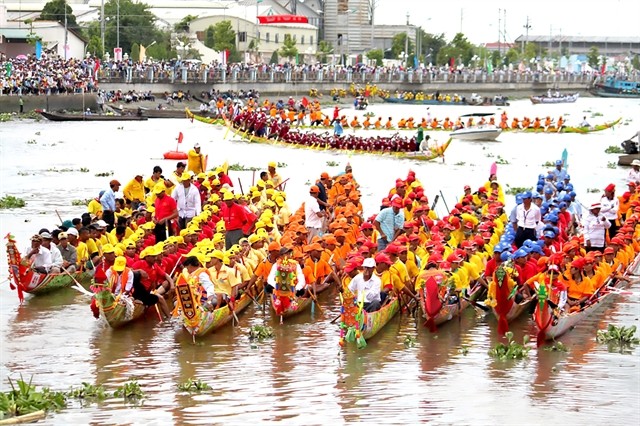
The famous boat races are one of the highlights.
Long, colorful boats compete on the water while crowds gather along the riverbanks. Music, food stalls, lights, and cheering create an atmosphere that can be almost overwhelming in the best possible way.
For visitors, it is a chance to see Cambodia from a different perspective.
Instead of ancient temples and archaeological sites, you see people celebrating something that is still deeply connected to everyday Cambodian life.
Buddhism and Khmer Festivals
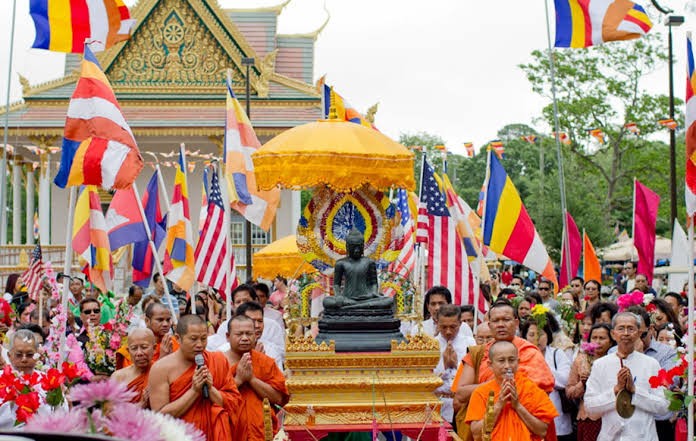
You cannot really understand Khmer festival culture without talking about Theravada Buddhism.
Buddhism has a strong influence on Cambodian cultural life, and Buddhist pagodas often become the center of community activities during festivals.
People may visit temples to pray, make offerings, listen to monks, meditate, or participate in religious ceremonies.
But a pagoda is not only a religious place during these occasions.
It can also become a meeting point for families and neighbors.
Children may come with their parents. Older people meet friends and relatives. Food is shared, conversations continue, and the community spends time together.
This combination of spirituality and social connection is an important part of Cambodian festivals.
Food: The Taste of Family Tradition
Ask someone about a favorite festival memory, and there is a good chance food will be part of the answer.
Cambodian celebrations are closely connected with cooking and sharing meals.
Families may prepare traditional soups, noodle dishes, rice dishes, fresh fruit, snacks, and sweet desserts. Some recipes have been passed down through several generations.
For many families, cooking is not simply about feeding everyone.
It is about being together.
A mother teaches her daughter a recipe. A grandmother shows a grandchild how to prepare a traditional dessert. Brothers and sisters sit together while food is being prepared.
These small experiences help cultural traditions survive.
The recipe is passed on, but so is the memory attached to it.
Traditional Clothing and Khmer Festivals
Festivals are also an opportunity to appreciate traditional Khmer clothing.
For temple visits, ceremonies, weddings, and other important occasions, people may choose elegant traditional-inspired outfits made with beautiful fabrics and patterns.
Traditional clothing can communicate respect for the occasion and for the people attending it.
At the same time, younger Cambodians are finding their own ways to wear traditional styles. Modern designs may combine traditional Khmer elements with contemporary fashion.
This is an important part of cultural preservation.
A tradition does not have to look exactly the same forever.
It can change while still keeping its identity.
Khmer Music and Dance
Music and dance add another layer of energy to Cambodian festivals.
Traditional instruments, songs, and dances have long been part of Khmer cultural life. Depending on the celebration, visitors may encounter traditional performances alongside modern music.
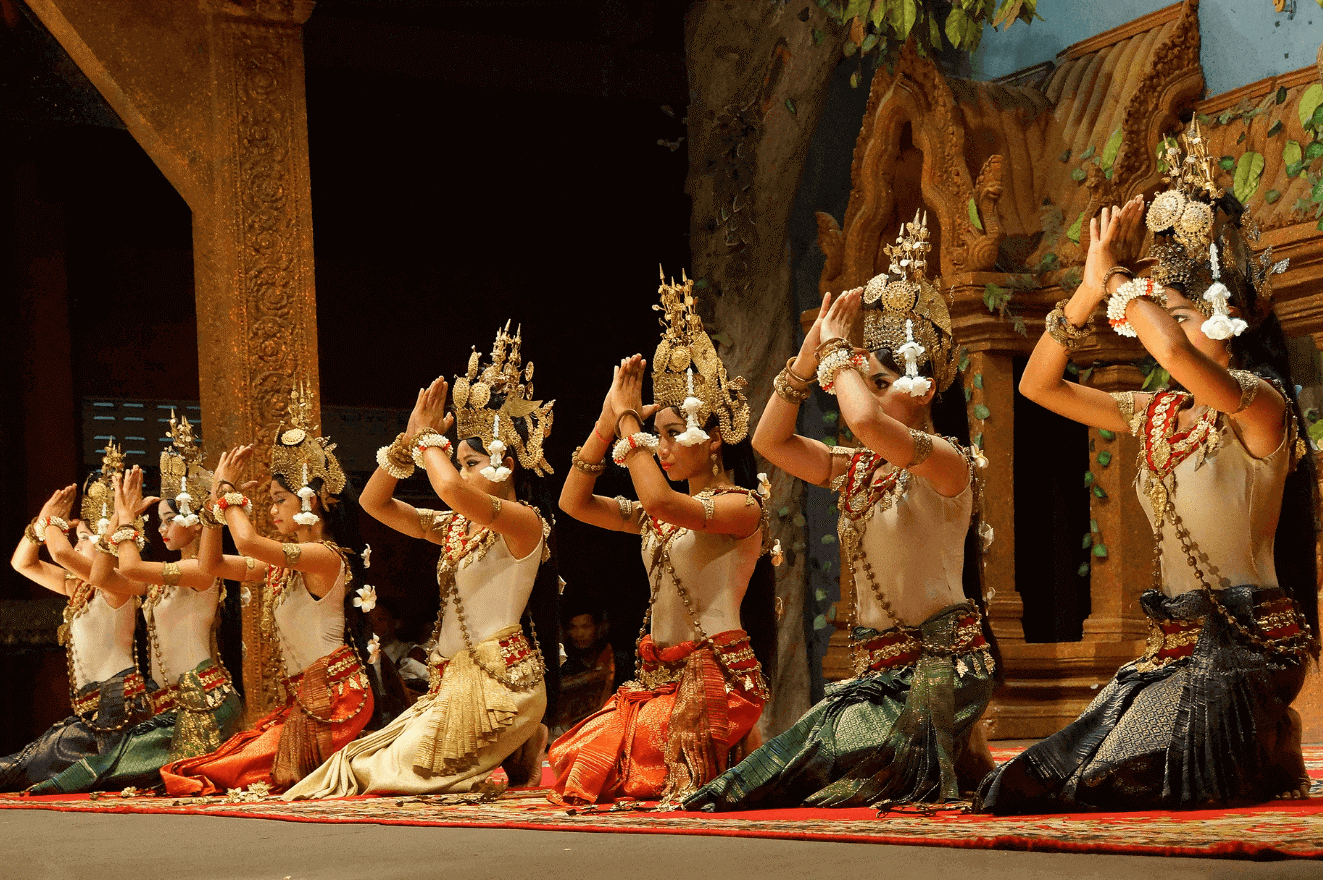
Khmer classical dance is especially well known for its graceful movements and expressive gestures.
The costumes are often elaborate, and the movements can be incredibly precise.
Folk dances offer a different feeling. They can be more closely connected with community life, local stories, and traditional celebrations.
For younger generations, modern Cambodian music is also naturally becoming part of festival life.
Again, tradition and modern life exist side by side.
Respect for Elders
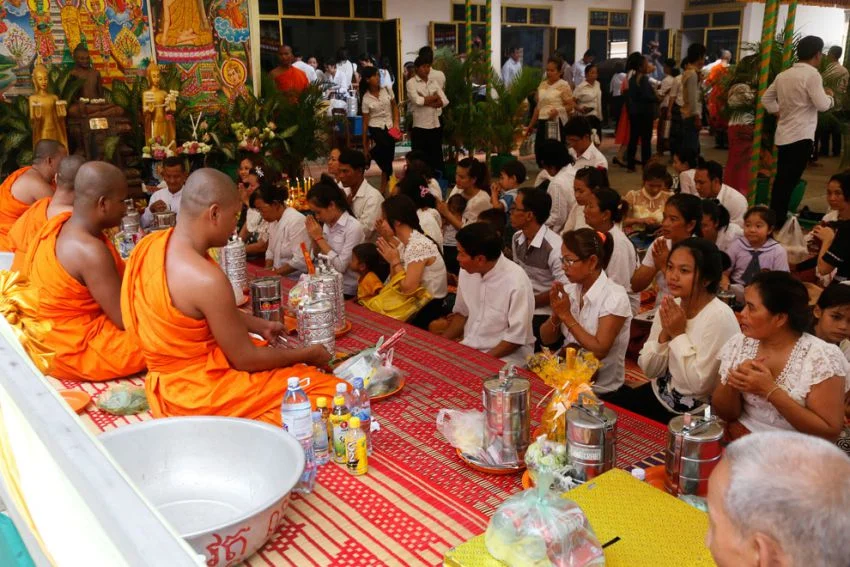
One of the most touching aspects of Khmer festivals is the importance placed on elders.
Cambodian families traditionally place great value on respecting parents, grandparents, and older members of the community.
Festivals create opportunities for younger people to express gratitude and receive blessings.
For an outsider, these moments may seem simple.
But culturally, they can be very meaningful.
A young person showing respect to a grandparent is not simply following a ceremony. They are acknowledging the role that older generations have played in keeping the family and its traditions together.
This is one way cultural knowledge moves from one generation to the next.
Festivals and Cambodia's Agricultural Heritage
Cambodia's traditional way of life has long been connected with agriculture, especially rice farming.
As a result, seasons, rainfall, rivers, and harvests have influenced Cambodian customs and celebrations.
The Water Festival is perhaps the clearest example of the connection between culture and nature.
Water is not simply part of the landscape. It has historically determined when people could farm, fish, travel, and live comfortably.
Even today, when many Cambodians live in cities and work in modern industries, these older connections remain part of the country's cultural identity.
Khmer Festivals in the Countryside
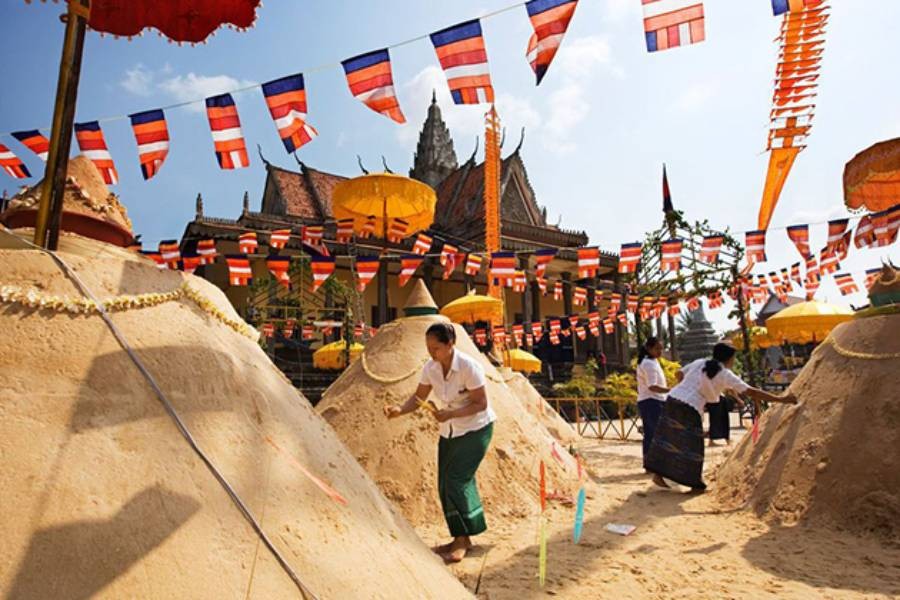
Major cities can offer spectacular festival experiences, but rural Cambodia can reveal another side of Khmer traditions.
In villages, celebrations often feel more intimate.
A local pagoda may become the center of activity. Neighbors know one another. Families prepare food together. Children play traditional games while adults talk and catch up.
There may not be anything particularly spectacular by tourist standards.
And that is exactly what makes it special.
It is everyday culture rather than a performance created for visitors.
If you visit a Cambodian village during a festival, remember that you are entering a real community celebration. Dress respectfully, follow local customs, and ask before photographing people, particularly during religious ceremonies.
How Khmer Festival Culture Is Changing
Like every living culture, Khmer festival culture is changing.
Young Cambodians are growing up with social media, smartphones, international fashion, modern entertainment, and global influences.
But this does not necessarily mean that traditional festivals are disappearing.
In many cases, young people are finding new ways to participate.
Traditional clothing appears in modern designs. Festival photos and videos are shared online. Young artists reinterpret traditional music and dance. Family recipes are passed around through digital platforms.
Technology can sometimes help culture travel further.
A traditional celebration in a small Cambodian community can now be seen by people thousands of kilometers away.
The important thing is not whether every detail remains exactly the same.
What matters is whether the meaning continues.
Why Khmer Festival Culture Matters
Khmer festivals matter because they create a connection between generations.
They give children opportunities to learn from grandparents.
They bring relatives home.
They keep traditional food and music alive.
They provide space for religious practice and remembrance.
And they give communities an excuse to stop for a moment and spend time together.
Modern life can be busy. People move to different cities. Families may not see each other as often as they once did.
Festivals create a reason to return.
Sometimes, that may be their greatest cultural value.
Experiencing Khmer Festival Culture as a Traveler
If you are lucky enough to visit Cambodia during a major festival, try to experience it slowly.
Don't just take photographs and move on.
Visit a pagoda respectfully. Taste the local food. Watch the traditional games. Listen to the music. Observe how families interact.
If someone welcomes you into a celebration, be curious but respectful.
You do not need to understand every ritual to appreciate it.
Sometimes, simply watching a family laugh together or seeing children learn a traditional game from their grandparents can tell you more about Cambodian culture than a museum display ever could.
Final Thoughts
Khmer festival culture is one of the most beautiful expressions of Cambodian identity.
Its festivals are colorful, spiritual, emotional, and deeply connected to everyday life.
From the joyful reunions of Khmer New Year to the quiet remembrance of Pchum Ben, and from the excitement of the Water Festival to simple family gatherings at a local pagoda, each celebration tells a different story.
But underneath all of them is something remarkably simple: people coming together.
They come together to celebrate.
They come together to remember.
They come together to eat, pray, laugh, and share stories.
That is why Khmer festivals continue to matter in a rapidly changing Cambodia.
Traditions may evolve. Clothing may become more modern. Music may change. Young people may celebrate differently from their grandparents.
But as long as families continue to return home, communities continue to gather, and younger generations continue to learn from those who came before them, Khmer festival culture will remain a living part of Cambodia's identity.
And perhaps that is the most beautiful thing about it.
Culture is not only found in ancient temples or history books.
Sometimes, it is found in a crowded family kitchen, a quiet temple courtyard, a boat racing down the river, or a child learning an old tradition from a grandparent.
That is where Khmer culture truly comes alive.