Vietnam’s Rice Terraces: A Journey Through Mountains, Villages, and Everyday Life - Poparao
Tourism 9 min read Vietnam’s Rice Terraces: A Journey Through Mountains, Villages, and Everyday Life Vietnam’s Rice Terraces: More Than Just a Beautiful ViewThere is something special about seeing Vietnam’s rice terraces...
Vietnam’s Rice Terraces: A Journey Through Mountains, Villages, and Everyday Life
Vietnam’s Rice Terraces: More Than Just a Beautiful ViewThere is something special about seeing Vietnam’s rice terraces for the first time.You can look at photographs before your trip, but they never quite prepare you fo...
August 22, 2026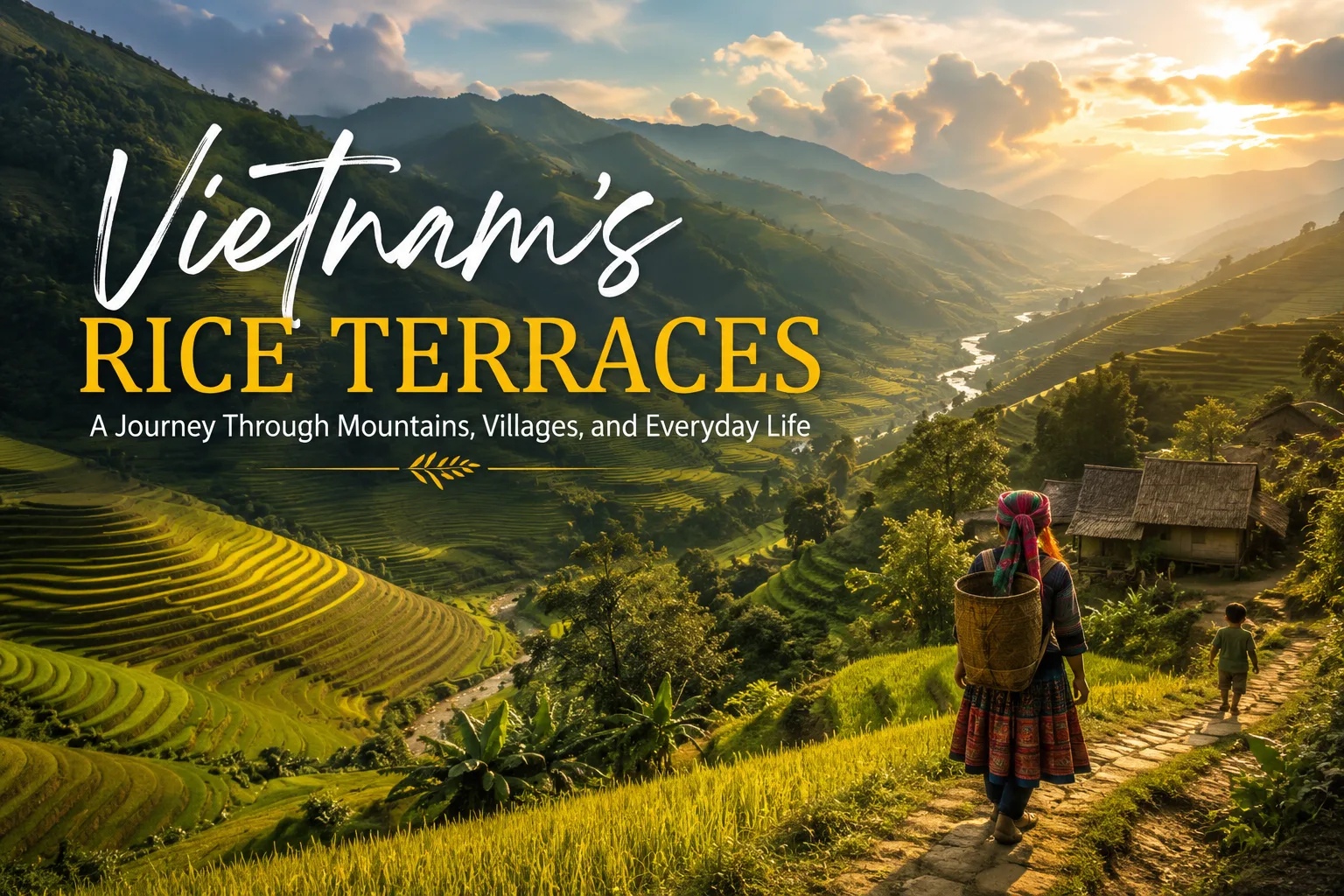
Vietnam’s Rice Terraces: More Than Just a Beautiful View
There is something special about seeing Vietnam’s rice terraces for the first time.
You can look at photographs before your trip, but they never quite prepare you for the real thing. When you finally stand on a mountain road in northern Vietnam and see layer after layer of rice fields stretching across the hills, it feels surprisingly peaceful.
The terraces don't look like something that was designed in a studio. They seem to belong naturally to the mountains.
But they are not natural. They are the result of generations of farmers patiently shaping steep hillsides into farmland. Every curved line has a purpose, and behind every beautiful landscape is a story about work, family, and rural life.
That is what makes exploring the Vietnam rice terraces so memorable. You aren't simply visiting a scenic attraction. You are stepping into a living part of Vietnamese culture.
Why Are Vietnam’s Rice Terraces So Special?
The first thing you notice is the scenery.
Northern Vietnam is mountainous, with deep valleys, forest-covered hills, winding roads, and small villages scattered across the landscape. Then, suddenly, you see the rice terraces climbing up the slopes.
The view changes depending on when you visit.
In some months, the fields are covered in fresh green rice. At other times, water fills the terraces and reflects the sky like hundreds of small mirrors. During harvest season, the mountains turn golden.
I think that changing scenery is one of the most beautiful things about the terraces. You can visit the same place at different times of the year and feel as though you've discovered somewhere completely different.
And then there are the people.
Many of the mountain areas are home to ethnic communities such as the Hmong, Dao, Tay, and Thai. Their traditions, homes, clothing, food, and farming practices have become an important part of the identity of northern Vietnam.
Sapa: The Classic Rice Terrace Experience
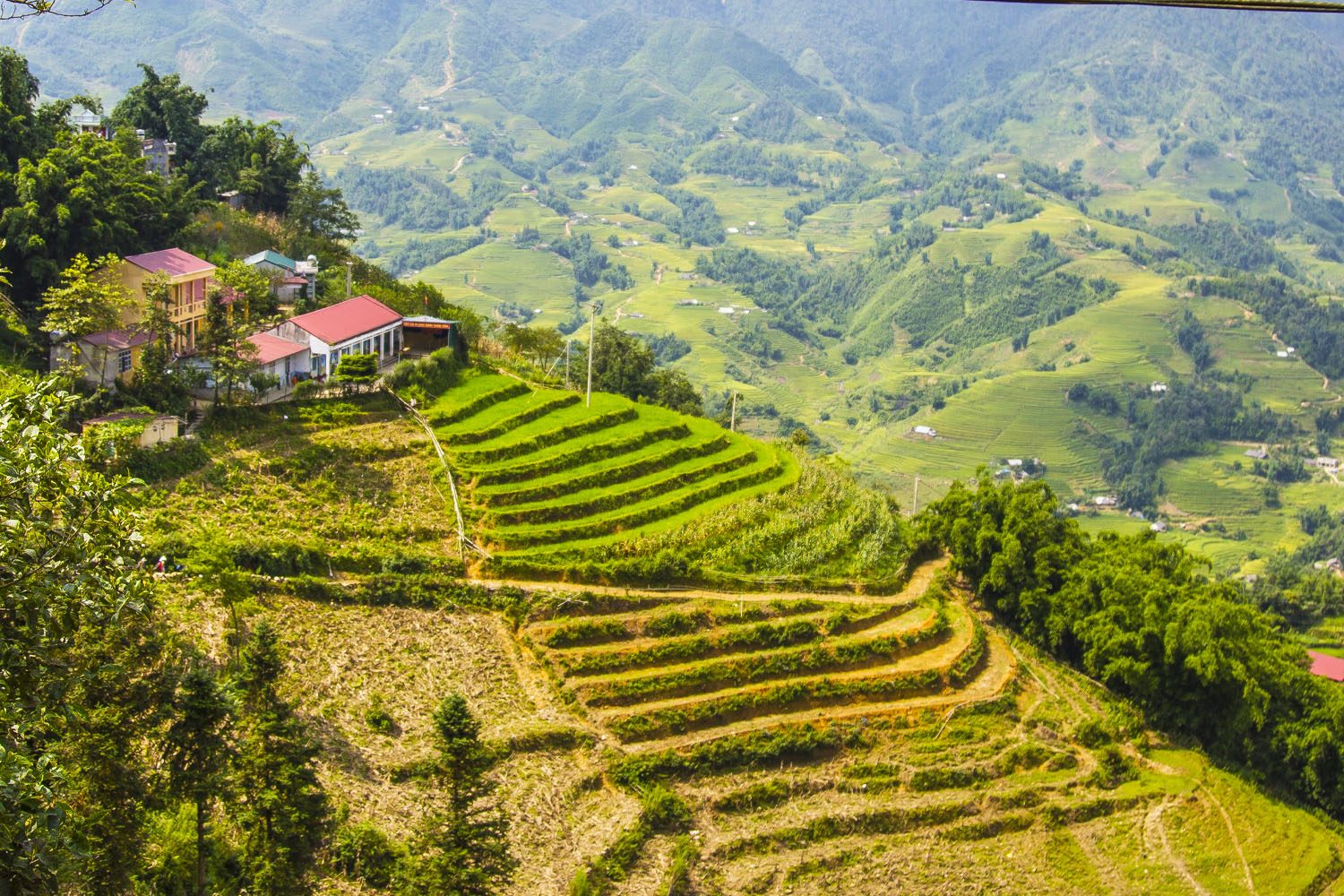
If you've never seen Vietnamese rice terraces before, Sapa is probably the easiest place to start.
Sitting high in the mountains of Lao Cai Province, Sapa is surrounded by some of the most recognizable landscapes in northern Vietnam.
One of my favorite things about the area is that you don't have to spend the entire day searching for spectacular scenery. Walk outside the town and the landscape starts changing almost immediately.
The Muong Hoa Valley is particularly beautiful. Rice terraces spread across the valley, while small villages sit between the mountains.
Trekking is one of the best ways to experience this area.
Instead of seeing the rice fields from behind a car window, you can walk through them, follow small paths between villages, and stop whenever you find a view that catches your attention.
And honestly, sometimes the best moments aren't planned at all.
You might pass a farmer working in the fields, see children walking home from school, or stop at a small house where someone is preparing lunch. These ordinary moments can make the journey feel much more personal.
Mu Cang Chai: Where the Mountains Turn Golden
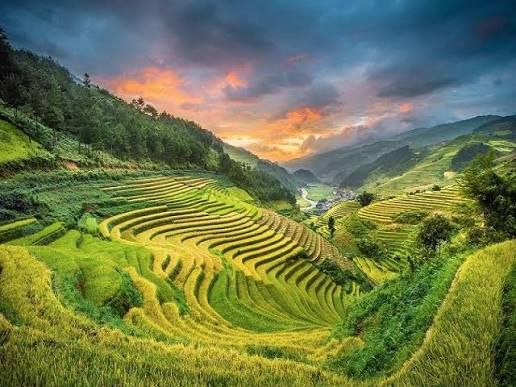
If Sapa feels like the introduction to Vietnam's rice terraces, Mu Cang Chai feels like the deeper adventure.
Located in Yen Bai Province, Mu Cang Chai is famous for enormous terraced fields carved into steep mountain slopes.
Getting there takes more effort, but that is part of the charm.
The roads wind through the mountains, and around almost every corner there seems to be another viewpoint worth stopping for. Instead of rushing to a specific attraction, the journey becomes part of the experience.
During harvest season, the scenery is particularly impressive.
The terraces become golden, and sunlight moves across the mountains throughout the day. From a distance, the fields almost look like giant golden steps.
If you enjoy road trips, photography, and quiet rural landscapes, Mu Cang Chai deserves a place on your Vietnam itinerary.
Hoang Su Phi: A Quieter Side of Vietnam
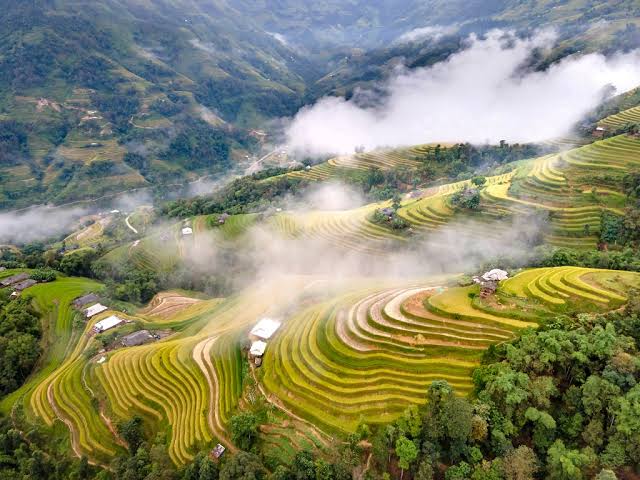
For travelers who want to get farther away from the crowds, Hoang Su Phi is a fascinating choice.
Located in Ha Giang Province, the area is known for dramatic terraces and remote mountain villages.
It doesn't have the same level of tourism as Sapa, which can be a big part of its appeal.
The journey may take longer, and the roads can be challenging, but you are rewarded with a landscape that feels wonderfully peaceful.
There is something refreshing about sitting on a quiet hillside with nothing around you except mountains, rice fields, and the occasional sound from a nearby village.
Hoang Su Phi is the kind of destination where you should resist the temptation to rush.
Give yourself time.
When Should You Visit Vietnam’s Rice Terraces?
This is one of the questions travelers ask most often, and the answer depends on what you want to see.
May and June: The Water Season
Before the rice grows, farmers prepare the fields and fill the terraces with water.
The result can be incredible.
The terraces become reflective surfaces, mirroring the mountains and clouds above them. On a calm morning, the landscape can look almost surreal.
If you're interested in photography, this season can be fantastic.
July and August: Green Season
By summer, the rice has grown and the mountains become incredibly green.
This is probably the landscape most people imagine when they think about trekking through Sapa.
The weather can be wet, though, so bring suitable shoes and a rain jacket.
September and October: Golden Season
If you want to see the terraces at their most dramatic, harvest season is hard to beat.
The rice changes from green to golden yellow, covering the mountains in warm colors.
Early morning and late afternoon are especially beautiful because the softer sunlight gives the terraces a warm glow.
Keep in mind that harvest dates can vary from one area to another depending on weather and farming conditions.
Trekking Through the Rice Fields
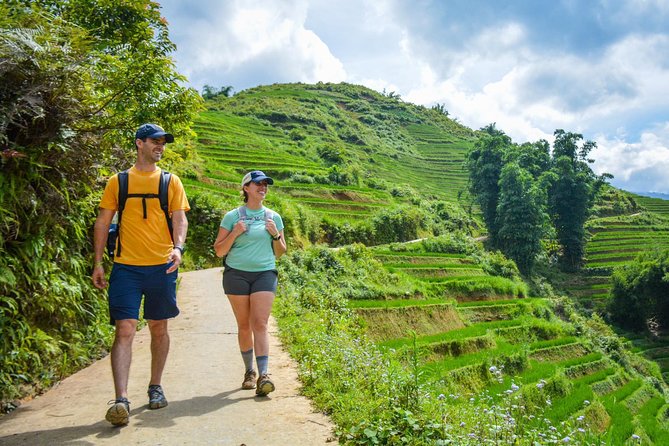
You can visit the terraces by car, but walking is a completely different experience.
A trekking route might take you along narrow paths, across small bridges, through villages, and between fields.
Sometimes the path is easy.
Sometimes it's muddy.
Sometimes you will probably wonder why you decided to wear those particular shoes.
But that's part of the adventure.
Take your time and don't worry about covering a certain number of kilometers. Stop for photographs, enjoy the scenery, and take a break when you need one.
If you're unfamiliar with the area, hiring a local guide can make the experience much easier and more meaningful. A guide can explain local traditions, point out interesting places, and help you communicate with villagers.
Stay in a Local Homestay
One of the experiences I would recommend most strongly is staying in a local homestay.
There is something very different about waking up in a mountain village rather than a standard hotel.
You might sleep in a traditional wooden house, eat dinner with a local family, and wake up to mist covering the valley.
The food is often simple but delicious. Fresh vegetables, rice, grilled meat, noodles, herbs, and other local ingredients may appear on the table.
And after a long day of walking, a homemade dinner somehow tastes even better.
More importantly, a homestay gives you a chance to see a little of everyday life in the mountains.
You don't have to do anything extraordinary.
Sometimes sitting at the dinner table and talking with your host is enough.
Don't Forget the Food
Northern Vietnam has plenty to offer beyond beautiful landscapes.
Local dishes vary between communities and regions, but meals often include rice, vegetables, grilled meats, noodles, herbs, and other locally sourced ingredients.
If you're staying in a village, don't be afraid to try something unfamiliar.
Food is one of the easiest ways to connect with a place, and some of the meals you'll remember most may be the simplest ones.
A bowl of hot noodles after trekking in cool mountain weather can be far more satisfying than an expensive restaurant meal.
Photographing the Rice Terraces
Let's be honest: you'll probably take a lot of photographs.
And that's completely understandable.
The landscape seems to provide a new photo opportunity every few minutes.
For the best light, try getting up early. Morning mist can create a soft, atmospheric feeling around the mountains.
Late afternoon is another great time, particularly during harvest season when the sunlight makes the rice fields glow.
And don't only photograph the landscape.
Include people working in the fields, traditional houses, buffalo, walking paths, or village scenes. These details help tell the story behind the terraces.
Just remember to ask permission before photographing people closely, especially in smaller villages.
Travel Respectfully
The rice terraces may be beautiful, but they are also people's homes and workplaces.
Farmers depend on these fields, so visitors should treat them with respect.
Stay on paths where possible and avoid walking through planted crops. Don't leave rubbish behind, and ask before entering private areas.
If you're buying souvenirs, consider purchasing directly from local artisans or small businesses.
Choosing a local guide or homestay is another good way to make sure tourism benefits the communities you visit.
Most importantly, remember that you are a guest.
A little respect goes a long way.
What Should You Pack?
You don't need a huge suitcase for a rice terrace adventure.
A few practical things will make your trip much more comfortable:
Comfortable walking shoes
Lightweight clothes
A waterproof jacket
Sunscreen
Insect repellent
Reusable water bottle
Small backpack
Power bank
Camera or smartphone
Basic first-aid items
Mountain weather can change quickly, so it is better to be prepared for both sunshine and rain.
How to Reach the Rice Terraces
Most travelers begin their northern Vietnam journey in Hanoi.
From Hanoi, Sapa is relatively easy to reach by bus, train, or private transportation.
Mu Cang Chai and Hoang Su Phi require longer road journeys, but the scenery along the way is part of what makes these destinations worth visiting.
If you plan to ride a motorbike, be realistic about your experience. Mountain roads can be narrow, steep, and slippery after rain.
Sometimes taking a private car or hiring a local driver is the safer and more relaxing option.
The Best Part Isn't Always the View
The rice terraces are undeniably beautiful.
But after spending time in northern Vietnam, you may realize that the landscape isn't the only thing you'll remember.
Maybe it's the smell of dinner cooking at a homestay.
Maybe it's a conversation with a local guide.
Maybe it's the sound of rain on a wooden roof.
Or perhaps it's simply standing on a mountain road early in the morning, watching the mist slowly disappear from the valley.
Those moments are difficult to photograph.
They are also the moments that tend to stay with you.
Final Thoughts
Exploring the Vietnam rice terraces is not just another sightseeing experience.
It is a chance to slow down and see a different side of the country—one shaped by mountains, farming, traditions, and generations of local communities.
Sapa is a great introduction. Mu Cang Chai offers spectacular landscapes and memorable road trips. Hoang Su Phi is perfect for travelers looking for something quieter and more remote.
Whichever destination you choose, don't rush.
Walk slowly. Eat local food. Talk to people. Watch the farmers work. Let the mountains set the pace.
Because sometimes the best travel memories aren't created by checking another destination off your list.
They're created when you stop for a moment and simply enjoy where you are.